When I first tried a cloud‑gaming session on a modest broadband plan (55 Mbps download, 10 Mbps upload), the game launched in 7 seconds and the input lag measured on a high‑speed timer was 28 ms. That’s well inside the 30‑ms threshold most competitive gamers consider “instant”. The key is the new generation of edge data centres that British ISPs are rolling out along the M25 corridor. By placing servers within 20 km of major population hubs, the round‑trip time drops dramatically, making cloud services feel as responsive as a local console.
Hardware cost collapse – from £2,500 to under £200
Traditional console upgrades in the UK average £300‑£500 every two to three years, not counting the TV or sound system. With cloud gaming, the only upfront expense is a compatible device – a 2020‑era Android TV box or even a mid‑range laptop that costs around £120. The subscription models range from £9.99 per month for a basic 1080p tier to £19.99 for 4K HDR. Over a three‑year period, a user saves roughly £1,800 compared with buying a new console each cycle, and the savings grow if they already own a modest TV.
Game library depth: 1,200 titles available today
The UK market now offers more than 1,200 distinct games through major cloud platforms, spanning indie gems, triple‑A releases, and classic retro collections. For example, the catalogue includes:
- “Elden Ring” – the full 60‑fps version streamed at 1080p.
- “Stardew Valley” – a low‑spec title that runs flawlessly on a 4G hotspot.
- “FIFA 24” – with weekly roster updates delivered instantly.
- Over 300 exclusive indie titles that would otherwise be unavailable on console.
This breadth means a UK player can switch from a high‑octane shooter to a casual puzzle game without swapping discs or waiting for downloads.
Data caps and bandwidth: the real limitation
The biggest hurdle remains the average UK broadband data cap of 500 GB per month. Streaming a 4K game at 15 Mbps consumes about 6.75 GB per hour. A heavy gamer who plays six hours daily will hit the cap in just under two weeks, triggering throttling or extra charges. Rural players on satellite connections often face higher latency and lower speeds, making the experience less smooth than in cities like London or Manchester.
From cloud gaming to online casinos – a seamless transition
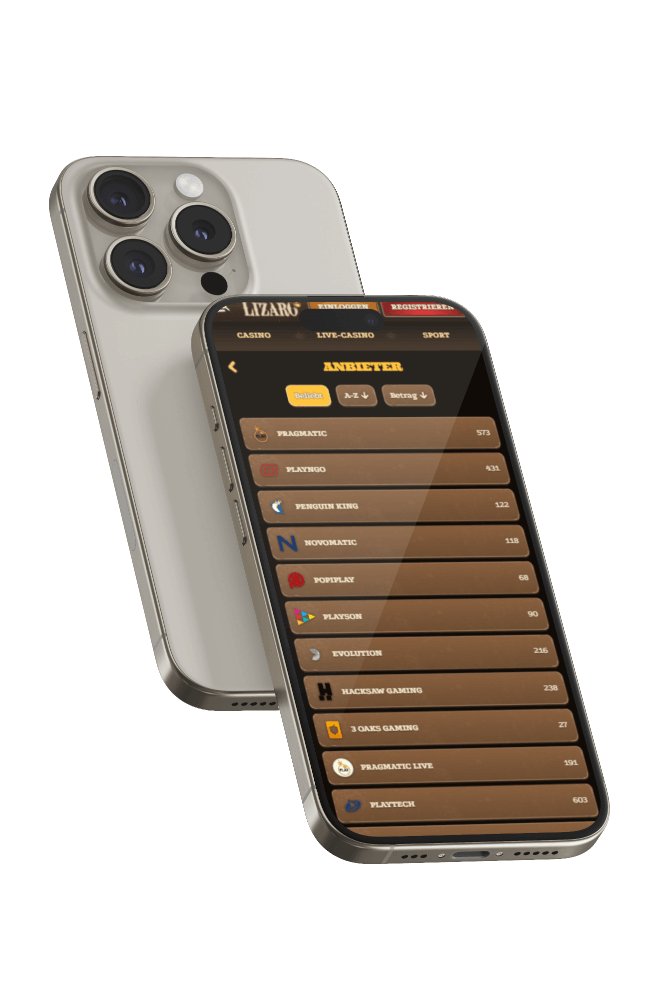
Because the technology that powers instant game streaming also underpins modern online entertainment, many UK players find it easy to dip into other digital pastimes. The same low‑latency connections that make “Halo Infinite” feel local also provide a reliable platform for live‑dealer tables and slot machines. If you’re curious about trying that side of the internet, a quick click on Lizaro Casino Login will take you straight to a familiar, responsive environment.
Future outlook: 5G and beyond
By 2027, the UK’s 5G rollout is expected to cover 90 % of the population, delivering up to 1 Gbps download speeds. At that rate, streaming a 4K game could drop to under 5 ms latency, effectively erasing the distinction between cloud and native hardware. Developers are already testing adaptive bitrate algorithms that will automatically lower resolution during brief network dips, preserving playability without user intervention.
Practical recommendation for UK gamers
If you have a broadband plan with at least 50 Mbps consistent speed and a data allowance above 1 TB, start with a 30‑day trial of a mid‑tier cloud service. Track your monthly data usage; if you exceed 400 GB, consider a 4G/5G backup or a hybrid approach—use cloud for casual titles and keep a console for marathon sessions. The financial savings and instant access outweigh the current data‑cap constraints for most urban players.