The Art of Strategic Gambling
Gambling, at its core, can be viewed as a complex interplay of chance and strategy, and for those seeking a deeper understanding, exploring resources like aphrodiite.org.uk can be insightful. While luck undoubtedly plays a role, adopting a philosophical approach can significantly enhance a player’s experience and potentially their outcomes. This involves understanding probabilities, managing risk, and cultivating a disciplined mindset that transcends emotional reactions to wins and losses.
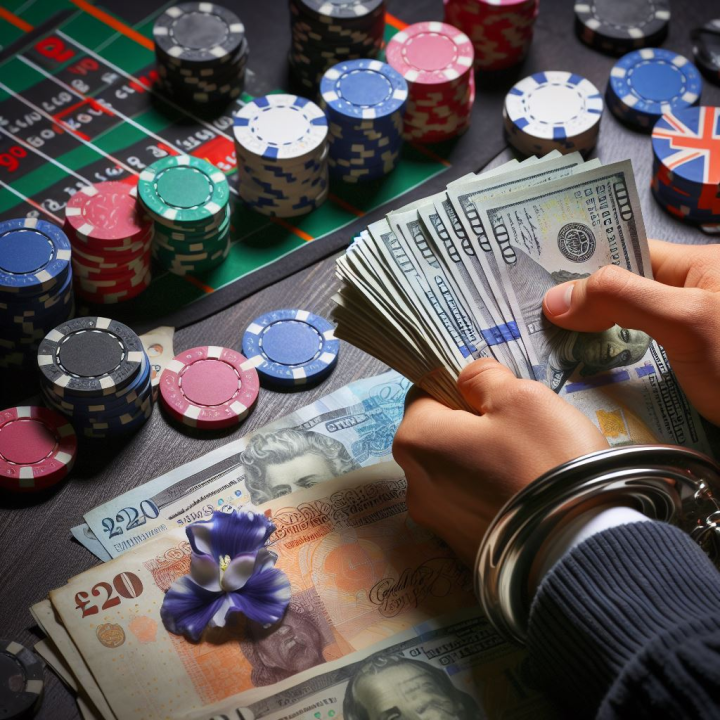
A philosophical perspective encourages a long-term view, recognizing that short-term fluctuations are inevitable. Instead of chasing losses or becoming overly elated by wins, a thoughtful gambler analyzes the underlying mechanics of the games, seeks patterns, and makes decisions based on reasoned probabilities rather than impulsive desires. This mental fortitude is crucial for sustained engagement and enjoyment.
Understanding Probability and Decision Making
At the heart of any successful gambling strategy lies a solid grasp of probability. Whether it’s the odds of hitting a certain number on a roulette wheel or the likelihood of a specific hand in poker, understanding these figures allows players to make informed decisions. This isn’t about predicting the unpredictable, but rather about understanding the inherent mathematical structures of the games.
A philosophically minded player will dedicate time to learning these probabilities and how they influence different betting strategies. This knowledge empowers them to avoid costly mistakes, such as placing bets with exceedingly low odds, and to identify opportunities where the mathematical advantage, however slim, can be exploited over time. This reasoned approach is a hallmark of disciplined gambling.
Emotional Discipline and Risk Management
The emotional rollercoaster of gambling is often its most challenging aspect. Fear, greed, and excitement can cloud judgment, leading to impulsive actions that undermine even the best-laid plans. A philosophical approach emphasizes emotional detachment, enabling players to remain calm and rational, even when faced with significant swings in fortune.
Effective risk management is intrinsically linked to emotional control. This involves setting clear limits on both time and money, and adhering to them strictly. A philosophical gambler views their bankroll as a resource to be managed prudently, understanding that preserving capital is as important as seeking gains. This discipline ensures that gambling remains a form of entertainment rather than a path to financial distress.
The Role of Psychology in Game Selection
Beyond mathematical probabilities, understanding the psychological aspects of gambling can provide an edge. Certain games, like poker, involve direct interaction with other players, where reading opponents and employing psychological tactics are as vital as understanding the cards. Even in games of pure chance, recognizing one’s own psychological biases is critical.
A player who cultivates self-awareness can identify when they are succumbing to common cognitive biases, such as the gambler’s fallacy. By understanding these psychological pitfalls, they can actively counteract them, ensuring their decisions are driven by logic and strategy, not by flawed perceptions or emotional responses. This mental discipline is a key differentiator.
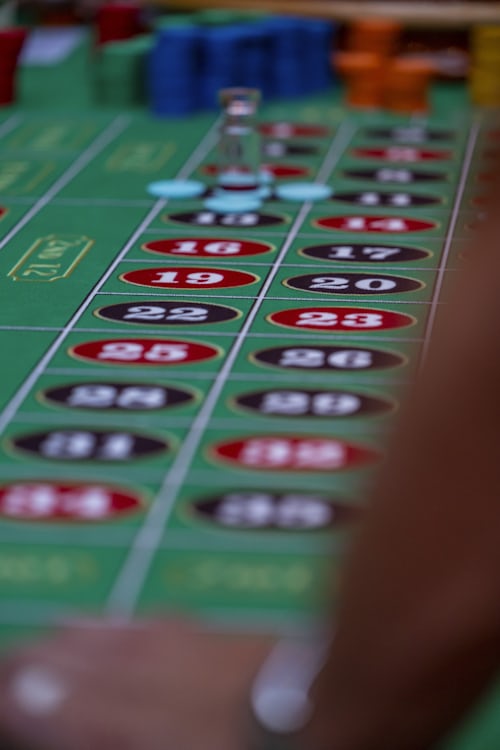
Aphrodite Casino: A Platform for Thoughtful Play
Platforms like Aphrodite Casino offer a digital arena where players can explore various gambling games. While the allure of quick wins is present, the underlying mechanics of these games still operate on principles of probability and strategy. For those who approach gambling with a philosophical mindset, Aphrodite Casino provides a controlled environment to test strategies and hone decision-making skills.
The diverse range of games available, from slots to table games, allows for the application of different strategic approaches. A thoughtful player at Aphrodite Casino would focus on games where skill and probability play a significant role, such as blackjack or certain poker variants, rather than solely relying on pure chance. This allows for a more engaging and potentially rewarding experience, grounded in reasoned play and disciplined execution.