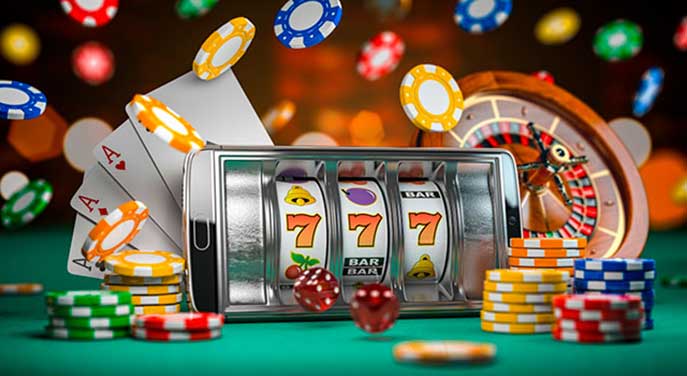
Master Casino Games Fast with Proven Winning Strategies Today

Casino games are structured wagering activities where outcomes are determined by chance, skill, or a combination of both. Players place bets on games like blackjack, roulette, or slots, with each game offering specific rules, odds, and payout structures. The core benefit of these games lies in their entertainment value, providing immediate feedback and the potential for monetary rewards based on the game’s inherent probability. To participate, a player selects a game, sets a stake, and follows the defined actions, such as spinning a wheel or drawing cards, with the result revealed instantly. The house edge is the fundamental mechanic that ensures the casino maintains a statistical advantage over time.
What Exactly Are Casino Games and How Do They Work?
Casino games are structured activities where players stake money on outcomes determined by a mix of chance and, in some cases, skill. They operate on a fundamental principle: the house edge, a mathematical advantage built into every game’s rules that ensures the casino profits over the long term. For example, in roulette, the zero (or double zero) creates that edge. Games like blackjack and poker involve player decisions that can influence the odds, but the rules still favor the house unless you apply optimal strategy. Slot machines use a random number generator (RNG) to determine each spin’s result, ensuring unpredictability. Table games like craps rely on dice probabilities, while baccarat follows strict drawing rules. Understanding how each game’s payouts are calculated—such as the return-to-player percentage—is key to knowing your realistic chances before you play.
The Core Mechanics Behind Every Spin, Deal, and Roll
Every spin, deal, and roll hinges on a random number generator (RNG), which produces thousands of unpredictable results per second to determine slot outcomes. Table games replace this with physical randomization: dice rolls rely on physics and surface texture, while card deals use shuffling algorithms or manual shuffles to break pattern sequences. Roulette spins depend on wheel tilt, ball weight, and friction, making each result independent of the last. House edges are built into payout ratios, not the RNG itself, so odds remain fixed per bet. Understanding these mechanisms helps you distinguish true randomness from perceived streaks, and why betting systems cannot alter the underlying probabilities.
Core mechanics—RNGs, physical dynamics, and fixed house edges—ensure every spin, deal, and roll is statistically independent and unpredictable.

Random Number Generators: Why Every Outcome Is Fair and Unpredictable
At the core of every modern slot, roulette spin, or digital card shuffle lies a **Random Number Generator (RNG)**, a cryptographic algorithm that produces thousands of numbers per second, even when no one is playing. Each outcome is tied to a freshly generated value, meaning the previous result has zero influence on the next, making prediction mathematically impossible. Because the RNG’s seed is continuously pulled from entropy sources like system noise, no pattern can form, and no external force can alter the sequence mid-game. This ensures a pure, unbiased result for every single wager, guaranteeing that house edges remain constant while player chances stay perfectly equal across all sessions.
Every spin, roll, or deal is an isolated, mathematically fair event generated by an unpredictable, externally unverifiable algorithm.
How to Get Started Playing Casino Games Without Any Prior Experience
Your first time at a casino doesn’t have to be intimidating—start with free play versions of classic games like blackjack or roulette, where the digital dealer walks you through each hand or spin without real money at stake. Pick one game, say video poker, and set a tiny budget like ten dollars; treat every loss as tuition, not failure. I remember my own first session: I sat at a penny slot, pressed the button slowly, and watched paylines light up—learning that the machine’s “help” screen explains every symbol. *Question: What’s the fastest way to learn a table game? Answer: Watch two full rounds from the seat behind the players before you join.* After three practice rounds, switch to live tables with low minimum bets, telling the dealer you’re new—they’ll whisper the hand signals and timing, turning felt and chips into a language you can speak by your second visit.
Choosing the Right Game Type for Your Personality and Skill Level
Choosing the right game type for your personality and skill level begins with a honest self-assessment of your tolerance for variance and your willingness to study. If you prefer analytical, decision-driven play and can handle short-term losses, skill-based games like blackjack or video poker offer a measurable learning curve. Conversely, if you seek immediate sensory engagement without complex strategy, chance-driven options like roulette or slots align better with a casual temperament. For beginners with low risk tolerance, low-minimum bets on even-money roulette or baccarat provide patient pacing. Avoid high-volatility games until you understand bankroll swings. A practical method: test one game in free mode, log your emotional reactions, then commit to a single type for consistent practice.
- Match volatility to your bankroll patience—low for steady play, high for thrill-seekers.
- Choose table games if you enjoy rule mastery; choose slots if you prefer zero-pressure automation.
- Assess your reaction to losing streaks before picking a game pace—slow tables reduce impulsive decisions.

Setting Up Your Bankroll: Practical Money Management for Beginners
Before your first spin, decide on a **dedicated gambling bankroll**—cash you can afford to lose without affecting bills or savings. Split this amount into smaller session stakes, and never chase losses by dipping into rent money. A practical rule is wagering no more than 1–2% of your total bankroll per bet, which keeps you playing longer while protecting your funds. Set a hard stop-loss limit (e.g., 30% of your session stake) and a win goal of 20–50%, then walk away when either hits. This discipline turns luck into a manageable activity rather than a financial gamble.

Q: How much should a beginner set aside for their first casino session?
A: Start with a fixed sum—like $50 to $100—that you’re fully comfortable losing. Split it into five or ten smaller units, so you always have a next bet without risking your whole budget on impulse.
Exploring the Most Popular Casino Game Categories and Their Unique Features

Exploring the most popular casino game categories reveals distinct mechanics: slot machines rely on random number generators and feature bonus rounds, free spins, and progressive jackpots; table games like blackjack and roulette emphasize player decisions against fixed house edges; and card games such as baccarat and poker blend probability with strategy, while live dealer variants bridge digital convenience with real-time interaction. Each category offers unique volatility—slots provide high variance, table games lower swings—and skill levels, from pure chance to calculated play. Q: sites not on gamstop Which category suits beginners best? A: Slots, due to zero skill requirements and instant play. Understanding these differences lets you choose by risk tolerance, engagement style, and payout potential, whether you prefer rapid spins, tactical betting, or social bluffing within a structured casino environment.
Slot Machines vs. Table Games: Key Differences in Gameplay and Payouts
Slots and table games diverge sharply in both rhythm and reward. A slot machine’s outcome hinges entirely on random number generators, offering instant spins, flashy bonuses, and fixed paylines—ideal for fast, solitary play. Table games, however, demand strategy, with blackjack or craps giving you active decisions that influence the house edge. Payouts differ too: slots advertise massive jackpots but hit less frequently, while table games pay more consistently at lower multiples. Bankroll management is the critical skill to master here—slots can drain funds silently, whereas table games let you adjust bets per hand, extending play and controlling losses. Choose based on whether you crave impulsive thrills or calculated control.
Live Dealer Options: Bringing the Real Casino Floor to Your Screen
Live dealer options bridge the gap between online convenience and the authentic casino atmosphere by streaming real tables directly to your device. You interact with a human croupier via high-definition video, placing bets through a digital interface rather than physical chips. The core games include blackjack, roulette, baccarat, and poker variants, each following standard land-based rules. Unlike RNG-based games, you watch the physical shuffle, wheel spin, or card deal in real time, which builds trust. For smooth play, ensure a stable internet connection and use the chat function to communicate with the dealer. A typical session follows this sequence: join a table, choose your bet amount, place chips on the virtual layout, watch the live action, and receive payouts instantly. Live dealer options also feature multiple camera angles, so you can zoom in on the shoe or wheel. This setup suits players seeking social interaction and the sensory feel of a brick-and-mortar floor without leaving home.
What Are the Best Strategies for Improving Your Odds in Casino Games?
Improving your odds in casino games starts with selecting games that offer the lowest house edge, such as blackjack or baccarat, rather than high-variance slots. In blackjack, mastering basic strategy—knowing when to hit, stand, double, or split—can slash the casino’s advantage to under 0.5%. For craps, always bet on Pass/Don’t Pass with odds, avoiding risky prop bets. Video poker rewards optimal play; use a strategy chart for Jacks or Better to hit a 99.5% return with perfect decisions. Manage your bankroll with strict loss limits and never chase losses. In roulette, choose European over American to halve the house edge. Finally, leverage comps and free play offers—they effectively reduce your theoretical cost per session.

Basic Strategy Tips for Blackjack, Roulette, and Poker
In blackjack, always follow the basic strategy for improving your odds: hit until 17 against a dealer’s 7 or higher, but stand on 12–16 if the dealer shows 2–6, and never split 10s or 5s. For roulette, choose European over American tables—the single zero cuts the house edge nearly in half—and bet on outside chances like red/black or even/odd to reduce variance. In poker, fold aggressively pre-flop from early position, and only enter pots with suited connectors or high pairs. Patience beats hero-calling in cash games, as most long-term losses trace to chasing draws. The sequence to apply at any table:
- Learn the exact blackjack chart before playing a single hand.
- Set a loss limit and a win goal to lock in profits.
- For poker, tighten your starting hand range when short-stacked.
Understanding House Edge and How to Pick Games with Better Returns
The house edge is the mathematical percentage of each bet the casino retains over time, making it the single most critical metric for return assessment. To improve returns, prioritize games with lower inherent edges, such as blackjack (under 1% with basic strategy) or baccarat’s banker bet (1.06%), over slots or keno, which often exceed 5–10%. Always check the specific table rules—fewer decks, dealer stands on soft 17, and blackjack paying 3:2 reduce the edge. For video poker, choose variants like Jacks or Better with a full pay table (99.54% return), and avoid side bets entirely, as they carry disproportionate house advantages. Selecting low-edge games directly governs long-term expected losses, so calculate the edge before wagering.
Q: How do I identify the best return game quickly?
Look up the published house edge for each game variant; the lowest number, combined with favorable rules, dictates optimal returns.
Playing Casino Games on Mobile: Features, Compatibility, and Convenience
The hum of the city faded as I pulled out my phone, the screen glowing with a familiar grid of cards and reels. Mobile casino games have evolved beyond simple ports—now, haptic feedback makes the roulette wheel feel alive, while portrait-mode blackjack adapts to one-handed play. Compatibility is the quiet hero: whether I’m on an aging Android or the latest iOS, games adjust resolution and touch sensitivity seamlessly, even on patchy subway Wi-Fi. The convenience hits when I’m waiting for coffee—a quick spin, a double-up hand—then lock the screen, my balance saved instantly to the cloud. **Q: Do all mobile casino games support offline play? A: No, most require a live connection, but some slots offer cached demo rounds.** That flexibility—switching from tablet to phone mid-session without losing progress—turns dead time into a personal high-stakes retreat.
How to Spot a Smooth Mobile Interface and Quick-Loading Games
A smooth mobile casino interface reveals itself instantly through responsive touch controls—buttons react the millisecond you tap, with no lag between your finger and the action. Quick-loading games start in under three seconds on decent Wi-Fi; test this by timing a game launch from the lobby. Scrolling through game lists should feel fluid, not jittery, with no white screens or frozen tiles. A thumbnail preload system means icons and previews appear before you even tap, hinting at optimized caching. Sound should sync perfectly with spins, and the battery drain should stay modest. If reorientation or resizing causes blur, that’s a red flag.
**Q: What’s the fastest way to test if a casino game loads quickly?**
Switch between five different slots in under a minute—if each returns to the lobby immediately and reloads without a spinner, the interface is built for speed.
Bonus Features and Free Play Modes: What to Look For and How to Use Them
When evaluating mobile casino games, prioritize bonus features that trigger reliably on touch inputs, such as tap-to-collect free spins or swipe-based pick-and-win rounds—test these in demo mode first to confirm they function without lag. Free play modes are your diagnostic tool: use them to map volatility, hit frequency, and the exact conditions for unlocking multipliers or expanding wilds. Strategic use of free play reveals the true value of bonus rounds before you stake real money. Always check the paytable within the free mode to identify which symbols or scatter combinations activate retriggers, then practice pacing your bets to maximize those triggers. Some bonus features are deliberately disguised as generous but require precise timing or multi-step interactions that only become obvious through repeated free-play sessions. Log out of autoplay during free mode to manually observe how each feature behaves across different device orientations.
Bonus features and free play modes work together: free mode exposes feature mechanics, while bonus testing confirms usability—master both to turn promotional complexity into predictable advantage.
Common Mistakes New Players Make and How to Avoid Them
New players often lose money by skipping the rules of a specific game, assuming blackjack and poker play identically. This leads to costly errors like hitting on a dealer’s bust card or misreading a straight flush. Another frequent mistake is chasing losses with aggressive bets, which erodes a bankroll quickly. To avoid this, set a strict loss limit before you sit down. Additionally, many novices ignore the house edge on side bets, which appear exciting but drain funds fast. The best fix is to practice free versions first and memorize basic strategy charts. Finally, never play tired or distracted, as missed cues often trigger avoidable mistakes. Common mistakes new players make stem from overconfidence, so the simplest way to avoid them is slow, deliberate play.
Chasing Losses vs. Setting Limits: The Psychology of Smart Play
The most destructive impulse for a new player is chasing losses, where a losing session triggers a desperate urge to wager more in a misguided attempt to break even. This psychological trap, known as the gambler’s fallacy, mistakes random outcomes for a pattern you must correct, leading to deeper holes and poor decisions. Smart play demands pre-set limits before you spin or bet, creating a hard firewall against emotional recovery missions. To implement this, follow a clear sequence.
- Decide on a strict loss cap, such as 20% of your bankroll, and stop immediately when hit.
- Set a win goal, and bank that profit separately to lock in gains.
- Track every wager, since visible numbers reduce impulsive revenge betting.
When you lose, your brain’s pain response overrides logic, but a written rule, not a feeling, must dictate your exit. Forcing yourself to view losses as the cost of entertainment, not a debt to reclaim, keeps you in control, ensuring every session ends by design, not by accident.
When to Walk Away: Recognizing Your Personal Stop-Loss Signals
New players often chase losses because they lack a predefined exit point, but personal stop-loss signals turn this impulse into a disciplined rule. Set a monetary ceiling before you sit down—an amount you’re comfortable losing completely—and walk away the moment it’s hit, without exception. Likewise, define a time-based signal: after 60 minutes of play, your decision-making degrades, so stand up even if you’re ahead. A win that crosses your original target should also trigger an immediate cash-out, not a higher bet. If you feel frustration or physical tension, that’s a physiological stop-loss cue. Track these thresholds in advance and rehearse the exit phrase aloud, so the action feels automatic under pressure.
- Choose a loss cap (e.g., 20% of your session bankroll) and physically separate that cash before playing.
- Set a profit target (e.g., double your buy-in) and leave the table at that exact number.
- Use a countdown timer on your phone—when it rings, you stop mid-hand.
- Pause for 60 seconds if you lose three hands in a row; if the urge to bet “just once more” appears, treat it as your final signal.